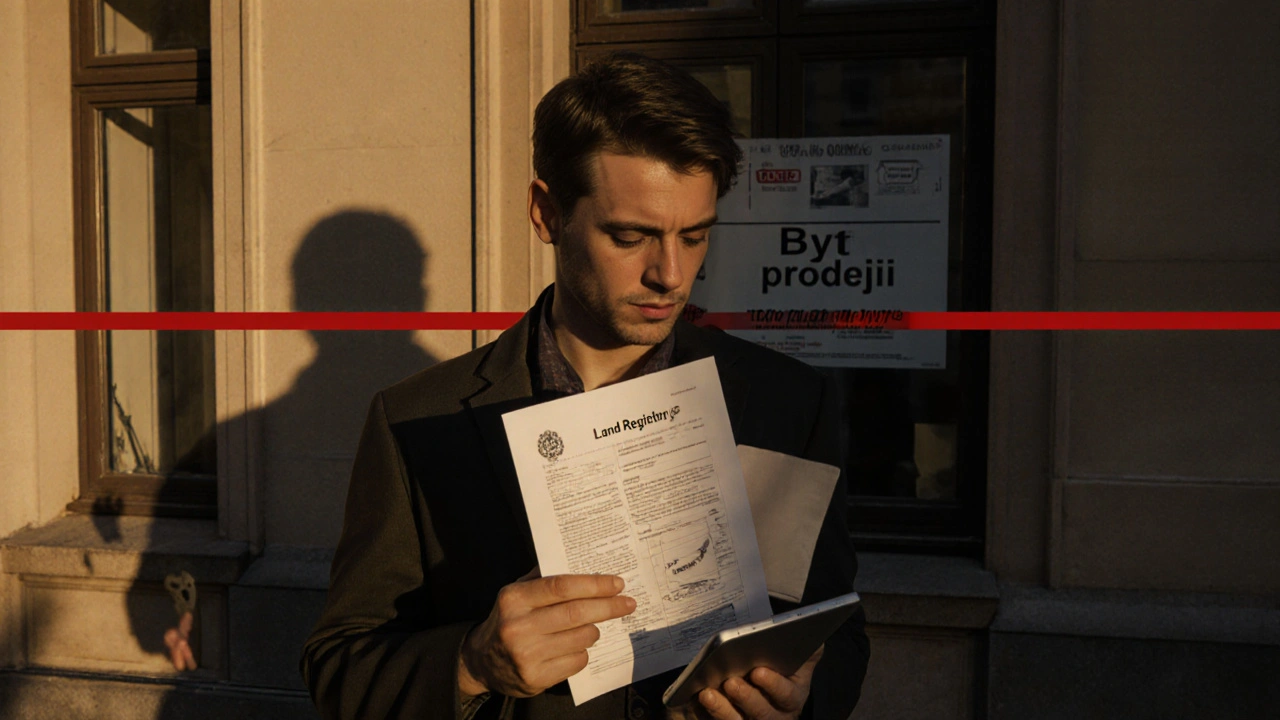
Jak ověřit vlastnictví bytu: kroky, dokumenty a co se stane, když to uděláte špatně
When you're buying, selling, or even just settling an inheritance, vlastnictví bytu, právní status, který potvrzuje, kdo je skutečným vlastníkem nemovitosti. Also known as vlastnický list, it is the single most important document in any property transaction in the Czech Republic. If you skip this step, you risk paying money for something you don’t legally own — and no court, no notary, and no seller can fix that later.
To verify vlastnictví bytu, you need three things: the address of the property, your ID, and access to the výpis z katastru nemovitostí, oficiální dokument z Úřadu pro katastr nemovitostí, který ukazuje vlastníka, povinnosti a omezení na nemovitosti. This isn’t a form you fill out online — it’s a legal record that only the Land Registry Office can issue. You can get it in person at any cadastre office, or electronically through the eKatastr, bezpečný portál pro přístup k katastrálním údajům v ČR. The cost? Around 50 CZK. The value? Priceless.
Don’t confuse this with a vlastnický list, dokument, který potvrzuje vlastnictví podle smlouvy, ale nemá stejnou právní sílu jako výpis z katastru. Many sellers show you this — but it’s just a copy of the purchase agreement. Only the land registry extract shows the current, legally binding owner. If the name on the výpis doesn’t match the seller’s ID, walk away. No exceptions.
Also check for evidenční kniha, zápis o zástavních právech, výpovědích nebo jiných omezeních na nemovitosti. This part of the extract reveals if there’s a mortgage, a court lien, or even a restriction from the city that could block your sale. I’ve seen people buy apartments thinking they got a deal — only to find out later the property can’t be sold for five years because of a zoning dispute.
And here’s what most people forget: even if you’re not buying, you still need to verify ownership if you’re renting out, changing utilities, or applying for a subsidy. The state, the bank, the utility company — they all ask for the same thing: the official extract. No shortcuts. No screenshots from old emails. Just the real thing.
What you’ll find in the posts below are real-life examples from Czech homeowners and renters: how one person caught a fake seller using just the land registry, how a family saved €12,000 by checking the evidenční kniha before signing, and why a simple 10-minute online search prevented a legal disaster. These aren’t theory pages. These are stories from people who did it right — and the ones who didn’t.